
LCA / ISO 14040 / ISO 14044
Life Cycle Assessment
Convert product data into environmental evidence for buyers, EPDs, product carbon footprint and reduction decisions.
Industry
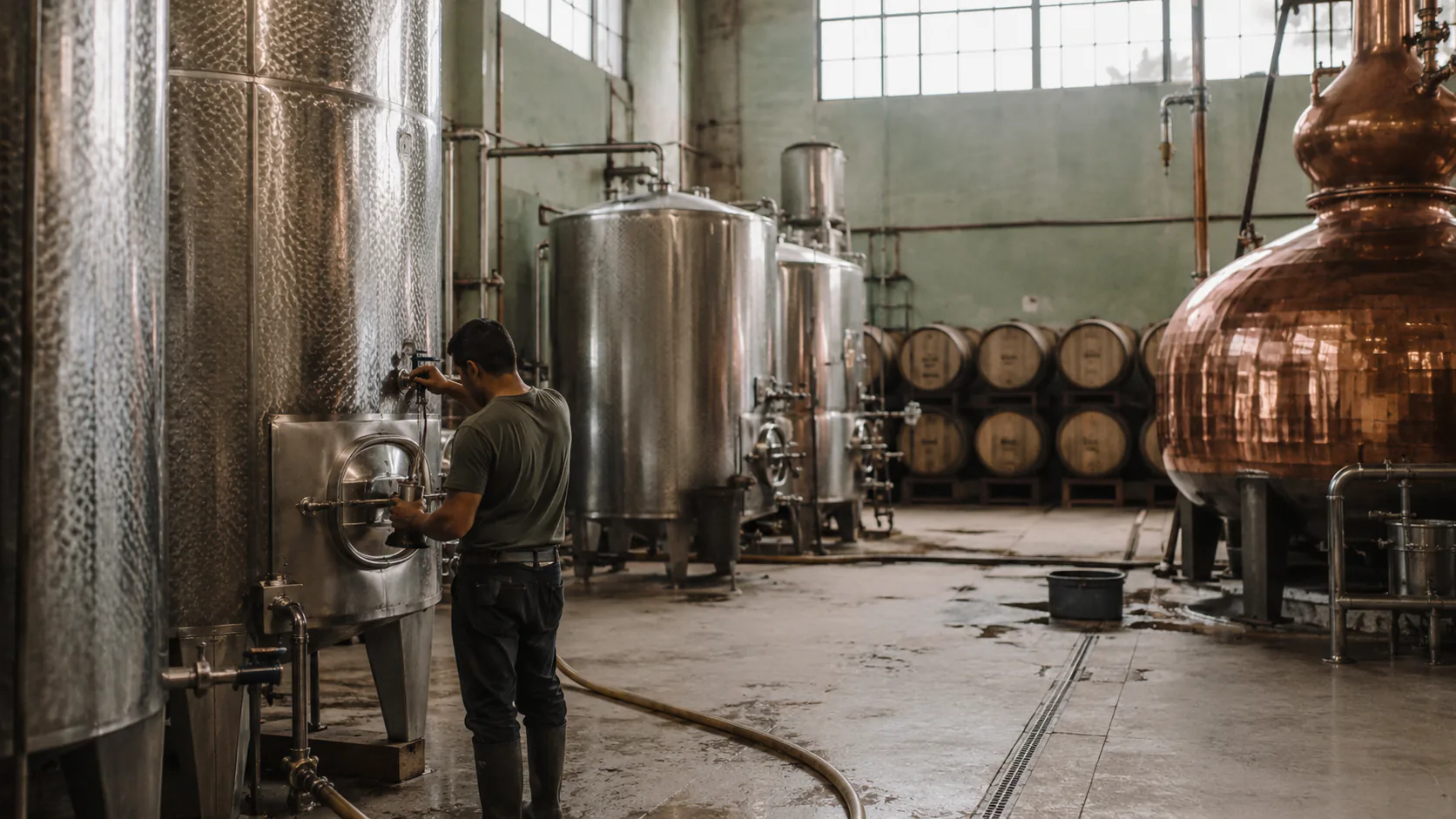
We have assessed the environmental performance of some of the world's best-known spirits brands, and run environmental optimisation projects for distilled and fermented beverage producers.
Industry context
The distilled and fermented beverage industry faces growing pressure to demonstrate its environmental performance across the whole value chain. Large international groups, distributors and consumers ask for verifiable information on carbon emissions, water use, effluent management, waste and raw material origin. At the same time, efficient water and energy use, by-product recovery and emissions reduction have become factors that improve competitiveness, cut operating costs and strengthen brand positioning.
Pressures
In order of priority, the pressures that lead this industry to look for environmental evidence
Importers, distributors and global groups request verifiable environmental information to meet their sustainability commitments and keep commercial relationships in place.
Cutting emissions, energy and water use has become a priority to reduce costs and meet corporate targets.
Managing stillage, wastewater, by-products and waste is one of the sector's main environmental and operational challenges.
Outcomes
Sector keys
The standards, requirements and buyer demands that now set the environmental agenda for this sector
International markets and many global companies ask for a product carbon footprint under ISO 14067, to identify reduction opportunities and support decarbonisation strategies. Glass, thermal energy and raw materials usually account for most of the impact.
Distilled and fermented beverage production depends on efficient water management. Measuring the water footprint (ISO 14046), alongside control of consumption, effluent and reuse, has become key to reducing operational risk and meeting customer and investor expectations.
International buyers increasingly ask about raw material origin, agricultural practices and the environmental performance of the supply chain. Verifiable data strengthens traceability and opens access to markets with tougher sustainability requirements.
In many beverages, particularly wines and premium spirits, packaging is one of the largest contributors to the environmental footprint. Lightweighting glass, using recycled content and redesigning packaging offer some of the biggest opportunities to reduce impact without affecting product quality.
Applicable services
LCA / ISO 14040 / ISO 14044
Convert product data into environmental evidence for buyers, EPDs, product carbon footprint and reduction decisions.
Product / ISO 14067
Calculate and document product carbon footprint for customers, Scope 3 supply chains and international markets.
Water / ISO 14046
Assess water impacts of products, processes or organizations to manage risk, water and environmental performance.
Tell us your context and we prioritize the services that resolve your industry's pressures